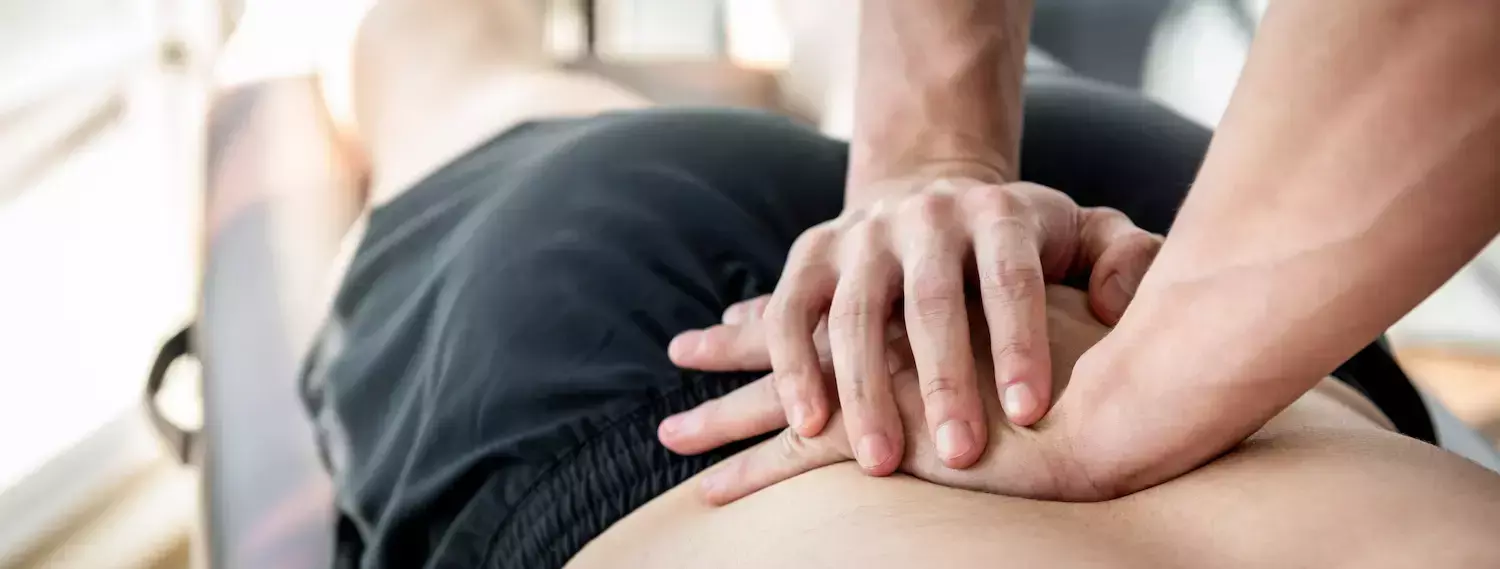
You’ve probably heard the term—maybe a friend swears by it, or you noticed it listed among our services and weren't quite sure what to make of it. Manual osteopathic therapy is one of those modalities that people often describe as "life-changing" once they try it, but struggle to explain to someone who hasn't.
Let's break it down—no jargon, just honest answers to the questions we hear most.
What Is Manual Osteopathic Therapy?
Manual osteopathic therapy is a hands-on approach to health and movement that looks at your body as a whole—not just the part that hurts. Rather than focusing exclusively on symptoms, a manual osteopathic therapist assesses how all your systems work together: your joints, muscles, fascia, organs, and fluids.
The philosophy is straightforward: when the body's structure is balanced and moving well, it has a remarkable ability to regulate and heal itself. When something is restricted—whether that's a stiff joint, tight fascia, or a mobility issue somewhere unexpected—it can create a ripple effect elsewhere. A manual osteopathic therapist’s job is to find those restrictions and gently address them, clearing the way for your body to do what it does best.
Is a Manual Osteopathic Therapist the Same as an Osteopath?
This is a common point of confusion, and it’s worth clearing up—especially here in Alberta.
In Alberta, the title "osteopath" is a protected term that refers specifically to a medical doctor with osteopathic physician training. A manual osteopathic therapist—like Cheyenne McKeel—is a trained practitioner who has completed a comprehensive manual osteopathic therapy program aligned with World Health Organization benchmarks. These are two distinct pathways, and both are valuable. When you book with Cheyenne, you are seeing a manual osteopathic therapist.
What Conditions Can Manual Osteopathic Therapy Help With?
Because it takes a whole-body approach, this therapy is relevant for a wide range of concerns. Cheyenne works with patients experiencing:
-
Back and neck pain
-
Headaches, migraines, and TMJ issues
-
Shoulder, hip, and knee pain
-
Postural issues and muscle tension
-
Joint stiffness and mobility limitations
-
Digestive complaints (visceral work can make a meaningful difference)
-
Pelvic health and related concerns
-
Chronic pain that hasn't responded to other approaches
-
Recovery support after injury or surgery
Cheyenne has extensive experience working with Motor Vehicle Accidents (MVA), WCB cases, post-surgical rehabilitation, postnatal care, and age-related degenerative conditions. Having worked with both high-level athletes and "weekend warriors," she focuses on injury recovery and performance enhancement, understanding that a balanced body is essential for long-term health beyond the field or gym.
What Techniques Are Used?
Osteopathic treatment is personalized, so no two sessions look exactly alike. Cheyenne draws on a variety of techniques based on your specific needs:
-
Soft Tissue and Myofascial Work: Gentle, targeted work to release tension in the connective tissue (fascia) that runs throughout your body.
-
Osteo-Articular Corrections: Careful, low-force mobilization of joints to improve movement without the high-velocity "cracking" associated with other disciplines.
-
Visceral Manipulation: Gentle techniques that work with internal organs and their surrounding tissues to improve mobility. This is particularly valuable for digestive and pelvic concerns.
-
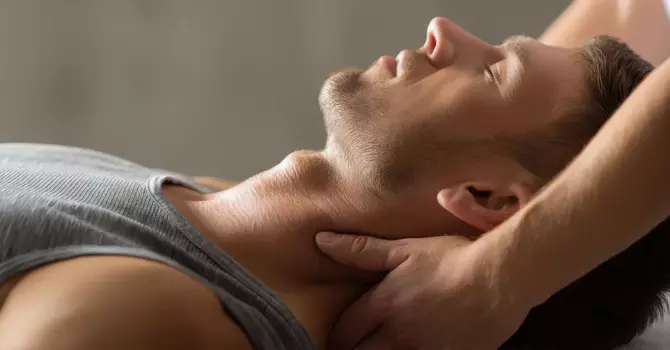
Craniosacral Therapy: A light-touch approach focusing on the membranes and fluid surrounding the brain and spinal cord. It is deeply calming and helpful for nervous system regulation.
Cheyenne also holds credentials in Acupressure, Meridian, and Biodynamic Craniosacral techniques. By "listening" to the body, she looks beyond where the pain is currently shouting to find the actual source of the discomfort. This combined approach aims for lasting change, and she ensures you leave with the knowledge to understand how your systems influence each other.
How Is Manual Osteopathy Different from Physiotherapy or Massage?
In a multidisciplinary clinic like ours, this is a great question.
-
Physiotherapy tends to focus on movement, strength, and function—rehabilitating specific injuries, improving biomechanics, and building capacity through exercise and education.
-
Registered Massage Therapy works primarily with soft tissue—muscles, tendons, and fascia—to relieve tension and improve circulation.
-
Manual Osteopathic Therapy sits in its own lane. It is globally focused, looking at the interconnection between structure, organs, and fluids to restore balance.
At Dynamic Physiotherapy, you don't have to choose. Cheyenne works alongside our physiotherapy and massage team, and many patients find that combining these modalities leads to faster, more complete results.
What Happens at My First Appointment?
Every new journey begins with an Initial Assessment. We require all intake and consent forms to be completed prior to this first visit.
Your session starts with a conversation—Cheyenne will take a thorough health history to understand your goals and what you’ve tried before. From there, she conducts a whole-body assessment, looking at posture and movement patterns. A complaint in your right shoulder might lead her to look at your pelvis or thoracic spine, as the body is connected in ways that aren't always obvious.
A few practical notes:
-
Clothing: You remain fully clothed. While Cheyenne can work with most clothing types, relaxed, loose-fitting clothes are usually the most comfortable.
-
Collaboration: Cheyenne believes in meeting patients where they are. She provides realistic expectations and ensures you are an active part of your treatment plan from day one.
How Many Sessions Will I Need?
Acute issues caught early may resolve in just a few sessions, while chronic conditions building for years typically take longer to unwind. After your initial assessment, Cheyenne will provide a realistic treatment plan. Most patients start with weekly appointments, then gradually space them out as things improve. You should notice a shift relatively early in the process.
Is It Safe? Will It Hurt?
Manual osteopathic therapy is designed to be gentle. The techniques are low-force and often deeply relaxing. You might feel a little tender or notice mild soreness for a day or two after a session—similar to how you’d feel after a deep massage—as your body integrates the changes. If anything feels uncomfortable, Cheyenne can always modify her approach.
Is It Covered by Insurance in Alberta?
Many extended health benefit plans cover manual osteopathic therapy, though coverage varies. Some insurers list it under "manual osteopathy," while others group it under "alternative therapy."
Our admin team, Tammy and Sandra, are excellent at navigating these details. We offer direct billing to all insurers that allow it and will let you know upfront what your plan covers.
Note: In Alberta, manual osteopathic therapy is currently not recognized by the CRA as a qualifying medical expense for tax credit purposes.
Why Choose Dynamic Physiotherapy in Okotoks?
Cheyenne is an integral part of a team that has been caring for the Okotoks community since 2004. When you see her, you aren’t just booking a standalone appointment; you’re entering a clinic where physiotherapists, RMTs, and therapists collaborate.
"Working within the community I live in and being part of a team dedicated to patient care has always been my goal," says Cheyenne. "I appreciate the open flow of the clinic where we share thoughts to help patients achieve their goals. At Dynamic, if you have a goal, we help you get there with the right expectations and modifications."
Cheyenne is currently accepting new patients.
Book your Initial Assessment with Cheyenne →
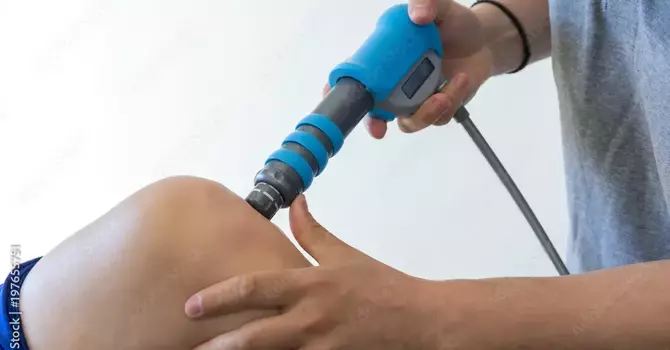
Looking for more information? Learn about our Physiotherapy, Registered Massage Therapy, and Shockwave Therapy—all available under one roof in Okotoks.