The Decision: Immediate Relief vs. Long-Term Healing
If you’ve been struggling with chronic heel pain, tennis elbow, or rotator cuff issues, you’ve likely arrived at a crossroads. Many patients come to our Okotoks clinic asking the same question: "Should I just get a cortisone shot, or is Shockwave Therapy a better option?"
Both treatments have their place in modern medicine, but they work in fundamentally different ways. Understanding these differences is the key to choosing the path that leads to a permanent recovery rather than just a temporary "pause" in your pain.
Cortisone Injections: The "Fast-Acting Mask"
Cortisone is a powerful anti-inflammatory medication. When injected directly into an inflamed area, it can provide dramatic, near-instant pain relief.
-
The Pros: It is highly effective for severe, debilitating pain and works quickly (often within days).
-
The Cons: Cortisone does not "heal" the underlying tissue damage. It suppresses the inflammation that is causing your pain. Research suggests that while relief is high in the first 4–8 weeks, the effects often wear off by the 3-month mark.
-
The Risks: Repeated steroid injections can potentially weaken tendons or thin the protective fat pads in your feet (especially in cases of Plantar Fasciitis).
Shockwave Therapy: The "Pro-Healing Alternative"
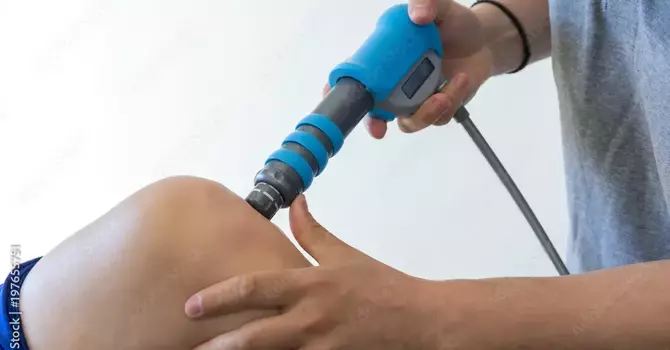
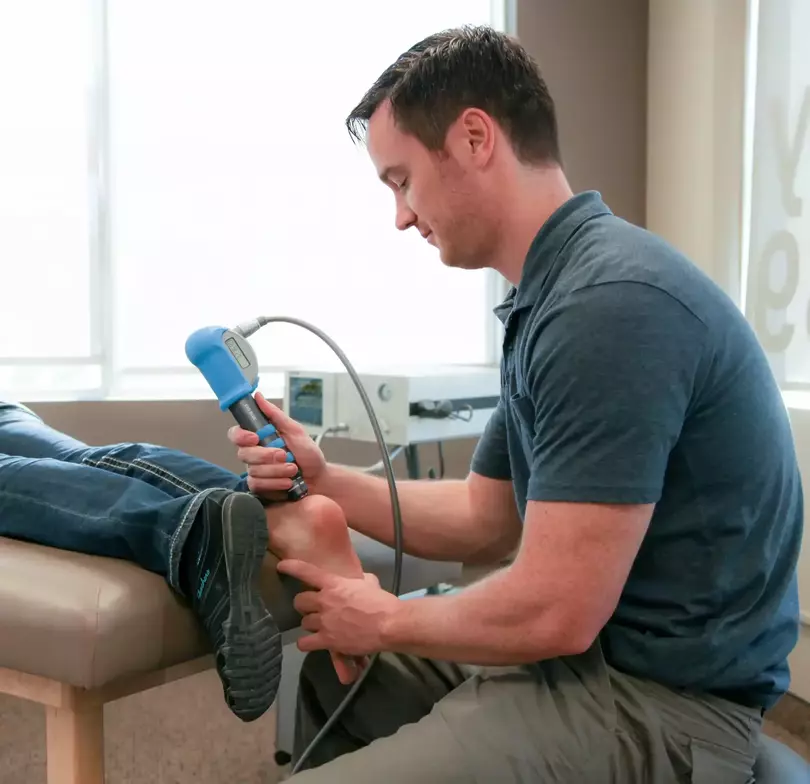
Unlike cortisone, Shockwave Therapy is not a medication. It is a mechanical treatment that uses acoustic pressure waves to stimulate your body’s own regenerative capabilities.
-
The Pros: It addresses the root cause of the pain by increasing blood flow, breaking down scar tissue, and restarting the healing process in chronic injuries.
-
The Cons: It is not an "instant fix." It requires a series of treatments (usually 3–5) and your body needs time to build new, healthy tissue.
-
The Risks: The side effects are minimal and temporary, typically limited to mild soreness or redness for 24–48 hours. There is no risk of tendon rupture or tissue thinning.
The Head-to-Head: What the Research Says
Clinical studies comparing the two treatments for conditions like Plantar Fasciitis and Tennis Elbow show a clear trend:
-
At 1 Month: Cortisone often scores higher for immediate pain reduction.
-
At 3 Months: Both treatments show similar levels of success.
-
At 6 to 12 Months: Shockwave Therapy pulls significantly ahead. Patients who choose shockwave tend to have lower recurrence rates and better long-term functional outcomes because the tissue has actually been repaired.
Why Timing is Everything: Can You Do Both?
A common mistake is trying to "double up" on treatments. Because Shockwave Therapy relies on creating a controlled inflammatory response to heal, and Cortisone is designed to suppress inflammation, they essentially cancel each other out.
If you have recently had a cortisone injection, we generally recommend waiting at least 6 weeks before starting Shockwave Therapy to ensure your body is ready to respond to the healing signals.
Which One Is Right For You?
-
Choose Cortisone if: You are in severe, acute pain and need immediate relief to get through a specific event (like a wedding or a trip) or to simply begin being able to move again.
-
Choose Shockwave if: You have had pain for more than 3 months, you want to avoid needles or medication, and you are looking for a long-term solution that repairs the injury for good. Once you've decided on shockwave, here's what to expect.
The Dynamic Advantage in Okotoks
At Dynamic Physiotherapy, we believe in "informed recovery." We don't just provide treatments; we help you navigate the clinical evidence to find the right fit for your lifestyle and goals. As one of the first clinics in Alberta to utilize this technology, we have the experience to tell you honestly which path is most likely to get you back to the activities you love.
Don't just mask the pain—start the healing. Book a consultation with our team today to see if Shockwave Therapy is the missing piece in your recovery.

Steve Hansen
Contact Me