The "Shock" in Shockwave: Clearing Up the Confusion
When many people hear the term "Shockwave Therapy," their first thought is an electric shock. This is the most common misconception we encounter at Dynamic Physiotherapy.
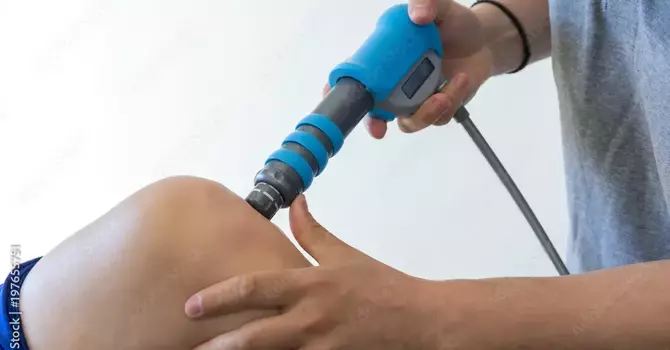
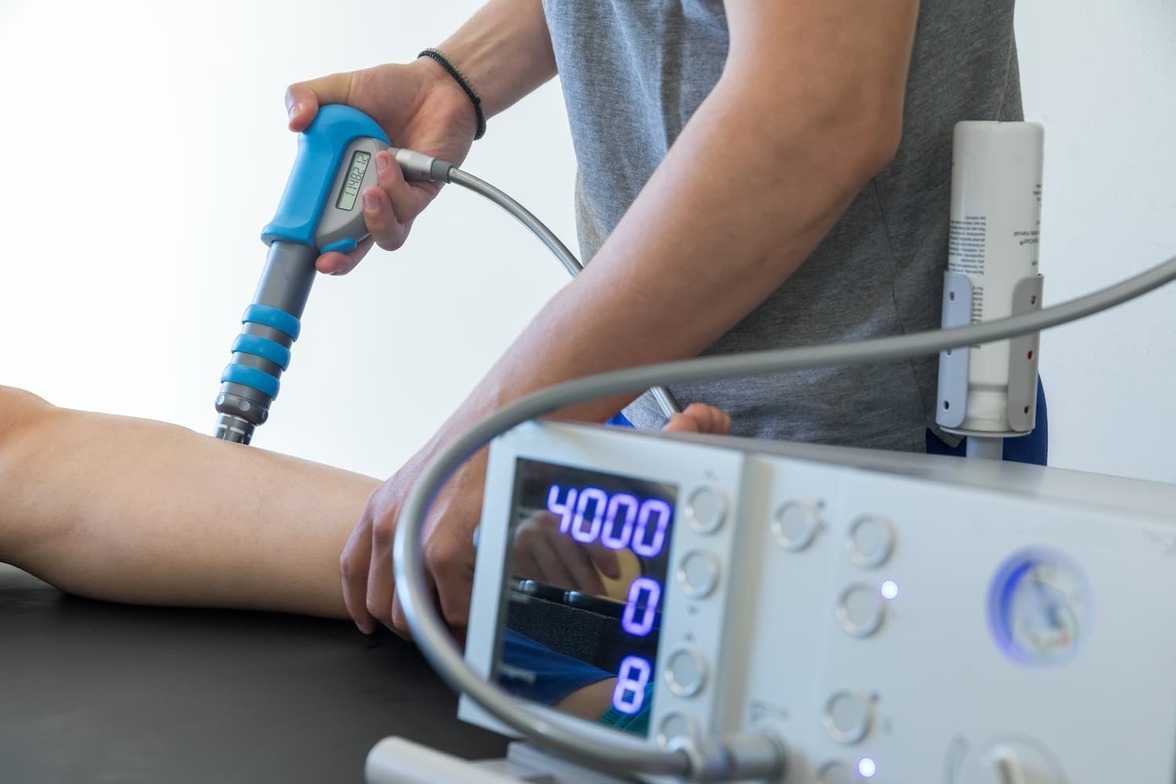
Despite the name, there is no electricity delivered to your body. Shockwave Therapy uses acoustic pressure waves—similar to the technology used to break up kidney stones—to interact with deep tissues. These waves create "micro-trauma" that restarts the body’s natural healing process in areas where chronic pain has become "stuck."
Is Shockwave Therapy Safe?
The short answer is yes. Shockwave therapy is a non-invasive, non-surgical treatment that has been used clinically for decades. Because it does not involve needles, anesthesia, or medication, the risk profile is significantly lower than surgical or pharmaceutical interventions.
At Dynamic Physiotherapy, our registered physiotherapists have delivered Okotoks shockwave therapy since 2004, following clinical protocols designed to safely stimulate tissue remodeling without pharmaceutical intervention.
Does Shockwave Therapy Cause Damage?
One of the most frequent questions we see is whether the pressure waves can damage healthy tissue or bone.
Shockwave therapy is designed to be selective. The pressure waves are tuned to affect "non-compliant" or damaged tissues (like scar tissue, calcifications, or degenerated tendons) while leaving healthy, elastic tissue unharmed.
What Are the Common Side Effects?
While the treatment is safe, it is designed to stimulate an inflammatory response (which is how healing begins). Because of this, it is normal to experience some minor, temporary side effects, including:
-
Redness or Swelling: Similar to a mild bruise.
-
Temporary Soreness: Often described as a "workout ache" in the treated area for 24–48 hours.
-
Numbness: A brief tingling sensation immediately following the session.
These effects are typically mild and disappear within a few days. In fact, many patients find that their chronic pain actually feels better immediately after a session due to the temporary analgesic effect of the acoustic waves.
Who Should Avoid Shockwave? (Contraindications)
While safe for most, there are specific conditions where we would recommend alternative treatments. During your initial assessment at our Okotoks clinic, we screen for:
-
Pregnancy
-
Pacemakers or certain heart conditions
-
Blood clotting disorders or the use of blood thinners
-
Active cancer or tumors in the treatment area
-
Recent corticosteroid (cortisone) injections in the last 6 weeks
Why Choose Dynamic Physiotherapy for Your Recovery?
As a pioneer of Shockwave Therapy in Alberta, our clinic doesn't just "have the machine"—we have years of clinical data and patient outcomes to guide our treatment plans. We understand the nuances of intensity, frequency, and positioning that make the difference between a "standard" treatment and a successful recovery.
Ready to see if Shockwave is right for you? If you are struggling with chronic heel pain, tennis elbow, or shoulder tension, the first step is a clinical screen.

Steve Hansen
Contact Me