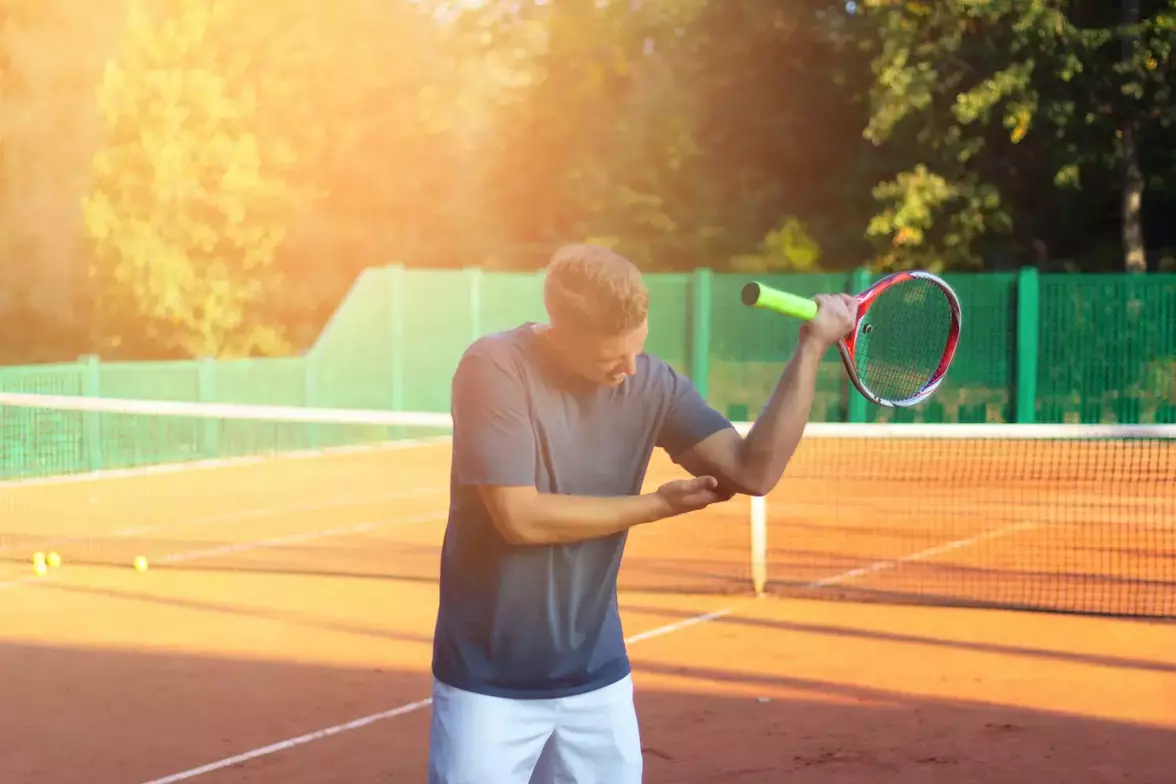
If you experience a sharp or aching pain on the outside of your elbow when lifting a coffee cup or turning a doorknob, you may be dealing with Tennis Elbow (Lateral Epicondylitis). While the name suggests an athletic injury, most cases we see at Dynamic Physiotherapy are caused by everyday repetitive strain from work or hobbies.
If rest and ice haven't been enough, Dry Needling (IMS) is a highly effective, evidence-based option to help you return to your normal routine without pain.
What Exactly is Tennis Elbow?
Tennis Elbow is a repetitive strain injury affecting the tendons that connect your forearm muscles to the outside of your elbow. When these muscles are overworked—whether through sports, trades, or office work—micro-tears can develop in the tendon, leading to inflammation and significant pain.
Common Causes & Risk Factors
-
Repetitive Motion: Frequent use of the wrist and forearm (typing, painting, or using manual tools).
-
Occupational Strain: Carpenters, plumbers, cooks, and painters are frequently affected.
-
Sports: Racket sports like tennis, squash, and the increasingly popular pickleball in Okotoks.
-
Compensatory Pain: Sometimes, a shoulder weakness or rotator cuff issue forces the elbow to work harder, leading to secondary strain.
For a complete clinical guide to tennis and golfer's elbow — including symptoms, red flags, and our full treatment approach — see our Tennis & Golfer's Elbow condition page.
How Dry Needling Helps Tennis Elbow
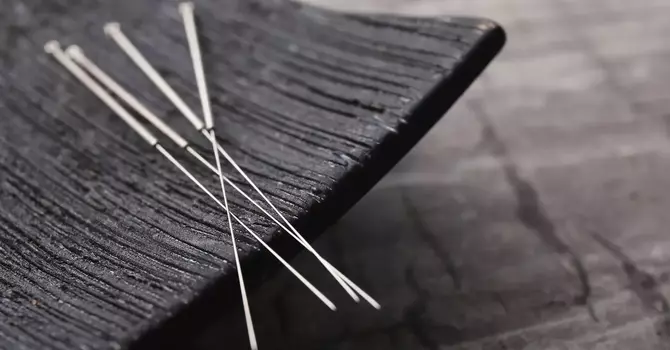
Dry needling is a modern Western medical technique designed to treat musculoskeletal dysfunction. Unlike acupuncture, which focuses on energy flow, dry needling targets the physical structures causing your pain.
1. Releasing Forearm Trigger Points
Tennis elbow often creates "trigger points"—tight, painful knots in the forearm muscles. When a sterile needle is inserted into these points, it creates a "local twitch response," which resets the muscle and forces it to relax.
2. Stimulating the Healing Response
By creating a tiny, controlled "micro-injury" in the affected tissue, dry needling signals the brain to send fresh, oxygenated blood to the elbow. This helps flush out metabolic waste and provides the nutrients needed for the tendon to repair itself.
3. Restoring Functional Movement
As the tension in your forearm decreases, the stress on the elbow tendon is reduced. This restoration of flexibility allows you to grip, lift, and twist your arm with significantly less discomfort.
What to Expect During Your Session
Your recovery starts with a comprehensive assessment at our Okotoks clinic. Your physiotherapist will examine your elbow, neck, and shoulder to ensure we are treating the root cause.
-
The Sensation: You may feel a slight pinch or a brief "cramp" sensation when the needle hits a trigger point. This is a normal and positive sign that the treatment is working.
-
The Duration: Needles are typically left in place for a few minutes while the muscle relaxes.
-
Post-Treatment: It is common to feel some muscle soreness for 24–48 hours, similar to the feeling after a deep-tissue massage or a heavy workout.
A Comprehensive Approach to Elbow Recovery
At Dynamic Physiotherapy, we rarely use dry needling in isolation. To ensure long-term results and prevent the pain from returning, we often combine it with:
-
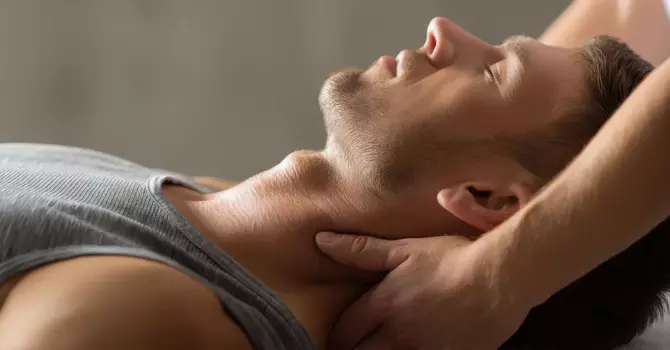
Physical Therapy in Okotoks: Hands-on joint mobilization and soft tissue work.
-
Therapeutic Exercise: Specific stretching and strengthening to build tendon resilience.
-
Ergonomic Advice: Tips on how to adjust your workstation or sports technique to reduce strain.
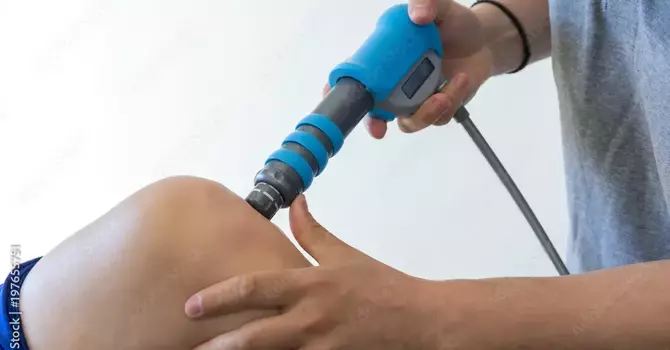
- Shockwave Therapy: For stubborn cases that haven't responded to needling and exercise alone, shockwave accelerates tendon repair by stimulating blood flow and collagen production at the injury site.
Is Dry Needling Right for You?
While dry needling is a safe and effective option for most, it may not be suitable for those with certain bleeding disorders or active infections. Our team will review your health history to ensure it is the safest path forward for your specific needs.
Book Your Elbow Assessment in Okotoks
Don’t let elbow pain limit your ability to work or play. At Dynamic Physiotherapy, our therapists are dedicated to helping Okotoks residents find lasting relief through personalized, professional care.
Related Articles:

Steve Hansen
Contact Me