Dry Needling (IMS) in Okotoks: What It Is, How It Works, and What to Expect
Feel those tight knots under your skin? That dull ache when you press on certain spots in your shoulders or back? Those frustrating pressure points that won't release no matter how much you stretch?
You're likely dealing with myofascial trigger points — and at Dynamic Physiotherapy in Okotoks, dry needling (also known as Intramuscular Stimulation or IMS) is one of the most effective tools we have to resolve them.
Despite the name, it isn't as intimidating as it sounds. Here's everything you need to know.
What Is Dry Needling (IMS)?
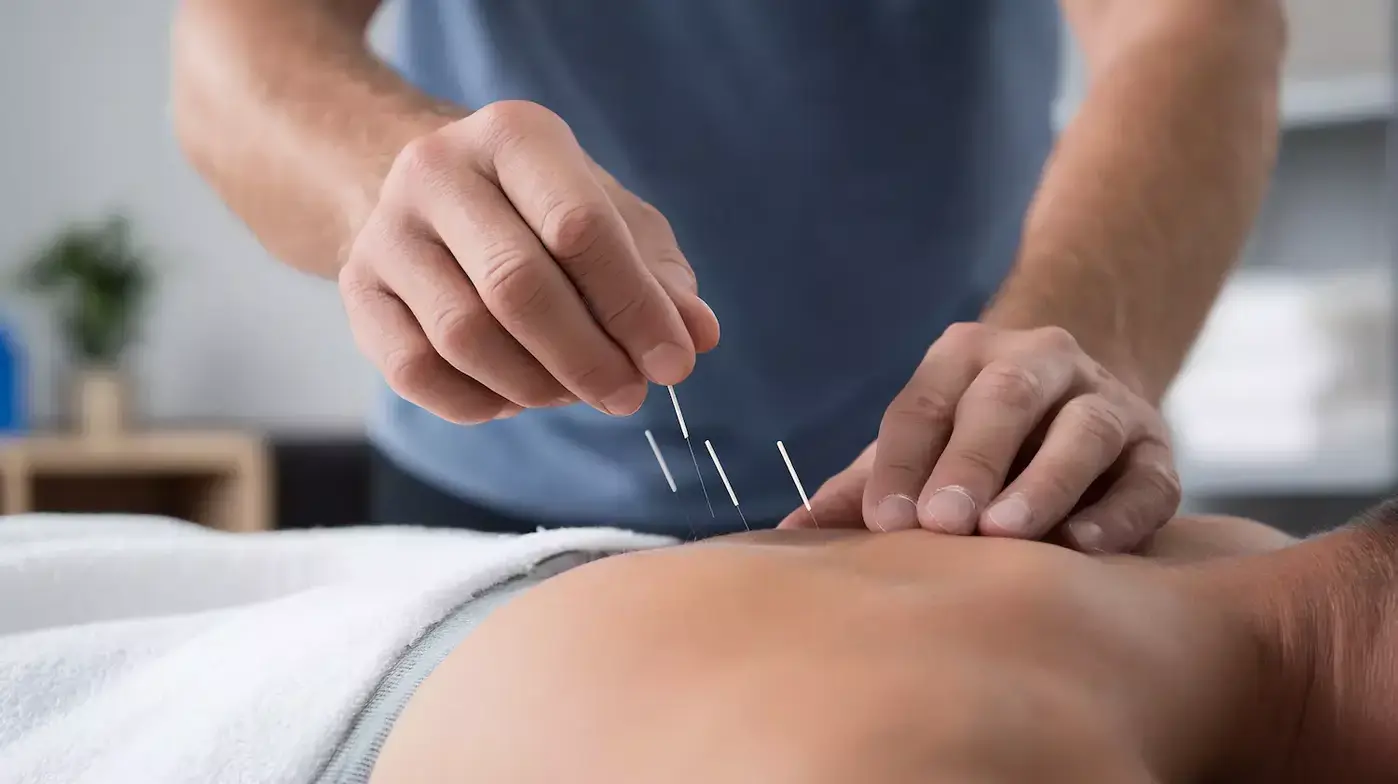
Dry needling is a modern, evidence-based treatment where licensed physiotherapists insert thin, sterile needles into myofascial trigger points — the tight, contracted knots within muscle that cause localized pain, referred pain, and restricted movement.
The term "dry" simply means no medication is injected. The needle itself creates the therapeutic effect by stimulating your body's own healing mechanisms.
At Dynamic Physiotherapy, IMS is rarely used in isolation. We integrate it with physical therapy, massage therapy, corrective exercise, and postural education to ensure lasting results.
How Does Dry Needling Work?
Trigger points form when muscle fibers become stuck in a contracted state due to injury, overuse, or chronic tension. These knots restrict blood flow, compress nerves, and generate pain that can radiate far from the original source.
When a needle is inserted into a trigger point, several things happen simultaneously:
- Local twitch response — an involuntary contraction of the muscle fibers that signals the knot is releasing
- Circulation restored — blood flow and oxygen return to oxygen-starved tissue, accelerating repair
- Pain chemistry reset — levels of pain-causing chemicals like Substance P are reduced
- Natural pain relief — the brain releases endorphins and enkephalins in response to the stimulus
- Nerve desensitization — local nerve sensitivity decreases, reducing the pain signals reaching the brain
The result: the muscle relaxes, pain decreases, and range of motion improves — often noticeably within the first session.
5 Key Benefits of Dry Needling
1. Rapidly reduces muscle tension The local twitch response is the muscle's way of finally letting go. Many patients feel an immediate release of tension they've carried for months.
2. Restores range of motion Tight muscles limit movement. Releasing trigger points through IMS — combined with a physiotherapy program — restores the flexibility and strength needed to get back to what you love.
3. Improves circulation Trigger points compress local blood vessels, starving tissue of oxygen. By deactivating these points, dry needling restores healthy blood flow and speeds tissue repair.
4. Accelerates natural healing The micro-trauma from needling triggers your body's healing cascade — fresh blood, collagen formation, and tissue repair all increase in response.
5. Manages chronic pain For patients who have tried stretching, massage, and rest without lasting relief, IMS targets the neuromuscular root cause rather than the symptom.
Conditions We Treat With Dry Needling
IMS is effective across a wide range of musculoskeletal conditions, including:
- Lower back pain and sciatica
- Neck pain and tension headaches
- Shoulder pain and rotator cuff issues
- Frozen shoulder
- TMJ and jaw pain
- Tennis and golfer's elbow
- Hip pain and IT band syndrome
- Knee pain and runner's knee
- Achilles tendinopathy and plantar fasciitis
- Whiplash and MVA recovery
- Post-surgical rehabilitation
- Chronic pain from poor posture or desk work
Dry Needling for Runners and Active Adults in Okotoks
Running the river pathways, training for a race, or staying active on the golf course at D'Arcy Ranch — overuse injuries are part of an active life. Many athletes prefer dry needling because it offers drug-free pain relief without downtime.
It's particularly effective for common activity-related injuries:
- Plantar fasciitis and Achilles tendinopathy
- IT band syndrome
- Hamstring and calf strains
- Runner's knee
A single session often provides noticeable relief, though a series of treatments produces the most durable results.
Dry Needling vs. Acupuncture: What's the Difference?
Patients often ask about this. Both use similar needles, but the philosophy and target are fundamentally different:
Dry Needling (IMS): Grounded in Western medicine, anatomy, and neurophysiology. Targets specific dysfunctional muscle trigger points to restore normal muscle tone and reduce localized pain.
Acupuncture: Rooted in Traditional Chinese Medicine. Focuses on balancing energy (Qi) along meridians for systemic wellness.
For muscle-based pain, tightness, and trigger points, dry needling provides more direct, targeted relief. For a deeper comparison, see our full guide on dry needling vs. acupuncture.
What to Expect During Your Session
Before treatment: Your physiotherapist will assess your condition, locate trigger points through palpation, and explain exactly what you'll feel.
During treatment:
- The treatment area is sterilized
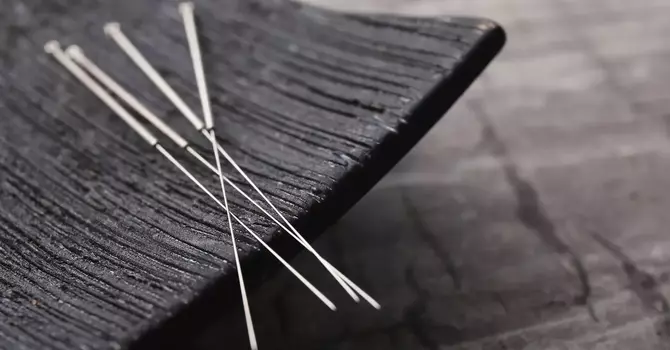
- Thin, sterile single-use needles are inserted into the identified trigger points
- You may feel a brief pinch, a dull ache, or a quick muscle twitch — this is normal and indicates the muscle is responding
- Needles typically remain in place for 5–15 minutes
- The number of needles varies by condition — a shoulder trigger point may need 1–2, while a spinal treatment may use 10–15
After treatment: Mild muscle soreness for 24–48 hours is normal — similar to post-workout stiffness. Drink plenty of water, keep the area moving with gentle stretching, and apply ice or heat as recommended. Movement helps the muscle integrate the reset it just received.
Sessions typically last 20–30 minutes and are often paired with manual therapy or corrective exercises on the same visit.
Is Dry Needling Safe? Side Effects to Know
Dry needling is safe when performed by a licensed physiotherapist using sterile technique. Minor side effects can include:
- Muscle soreness (24–48 hours) — the most common response, treat with light stretching or ice
- Mild bruising — possible, especially if on blood thinners
- Temporary fatigue or lightheadedness — eating before your session and staying hydrated reduces this significantly
- Minor redness at insertion sites — resolves quickly
Serious complications are extremely rare.
Who Should Avoid Dry Needling?
Dry needling may not be appropriate if you have:
- A severe fear of needles
- Blood clotting disorders or are on blood thinners
- Active infection or compromised immune system
- Recent surgery in the treatment area
- Pregnancy (discuss with your physiotherapist)
Your physiotherapist will assess suitability during your initial consultation.
How Many Sessions Will I Need?
- Acute issues: Often improve in 2–3 sessions
- Chronic conditions: Typically require 4–6 sessions for lasting relief
Results typically last several days after the first session and progressively longer with subsequent treatments.
Ready to Release Those Trigger Points?
All physiotherapists at Dynamic Physiotherapy hold IMS certification. We'll assess your specific trigger points, make you comfortable throughout treatment, and build a plan that produces lasting results — not just temporary relief.
Want to learn more? Visit our IMS & Dry Needling service page for a full overview of what the treatment involves and who it's right for.

Steve Hansen
Contact Me