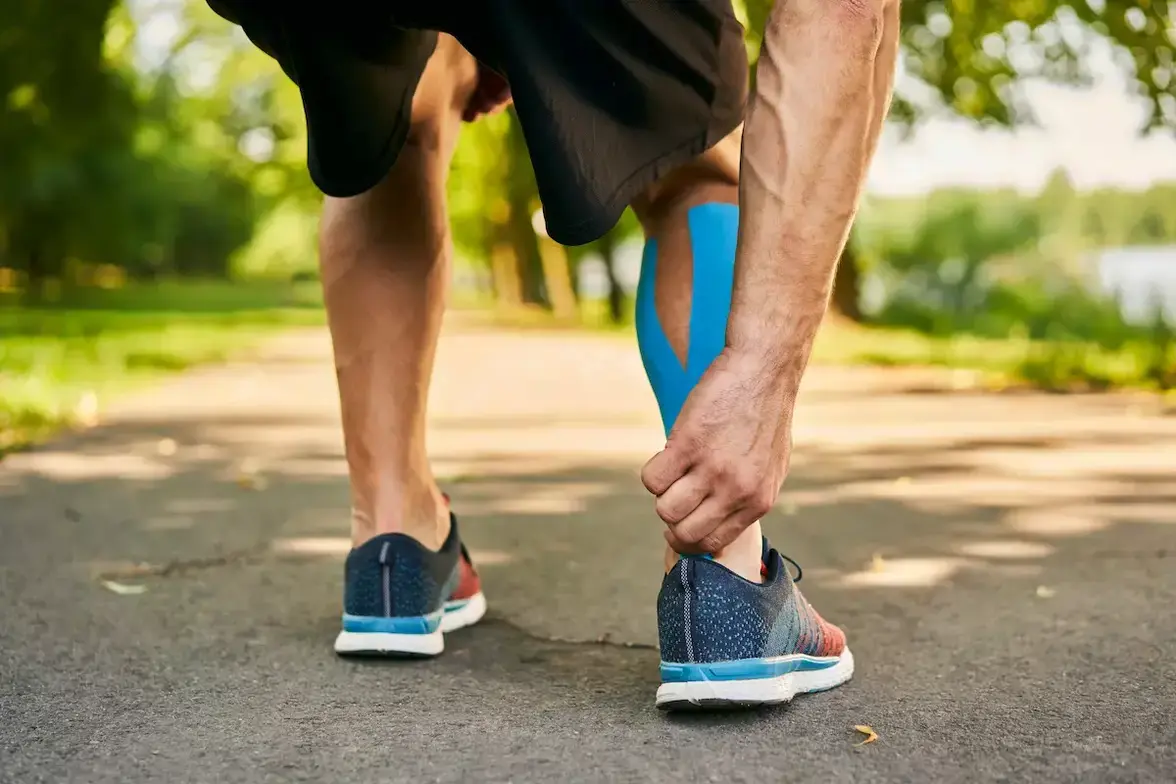
Staying active is one of the best things you can do for your health, whether you’re walking the river pathways in Okotoks or training for a local 10K. However, repetitive movement can sometimes lead to persistent pain in the back of the leg and heel.
If you’re struggling with stiffness every morning or pain that worsens with every step, you may be dealing with Achilles Tendonitis. At Dynamic Physiotherapy, we use Dry Needling (IMS) as a key tool to reduce tension and speed up the recovery of this vital tendon.
What is Achilles Tendonitis?
The Achilles tendon is a thick band of tissue that connects your calf muscles to your heel bone. It’s responsible for the "push-off" power you need to walk, run, and jump.
Common Causes of Injury
-
Overuse & Repetitive Strain: Sudden increases in running mileage or intense physical activity can cause microscopic tears in the tendon.
-
Age & Flexibility: As we age, the tendon naturally becomes less flexible, making it more prone to strain.
-
Mechanical Factors: Flat feet or unsupportive footwear can change how you walk, putting uneven pressure on the Achilles.
-
Previous Injuries: Incomplete rehabilitation of an old ankle sprain can lead to compensatory movements that stress the tendon.
Symptoms to Watch For
-
Intense pain and stiffness along the tendon, especially first thing in the morning.
-
Swelling or a "thickening" of the tendon tissue.
-
Pain that sharpens during exercise or when climbing stairs.
-
A limited range of motion in the ankle (difficulty pulling your toes toward your shin).
For a complete clinical guide to Achilles tendon pain — including symptoms, red flags, and our full treatment approach — see our Achilles Tendon Pain condition page.
How Dry Needling Helps the Achilles Heal
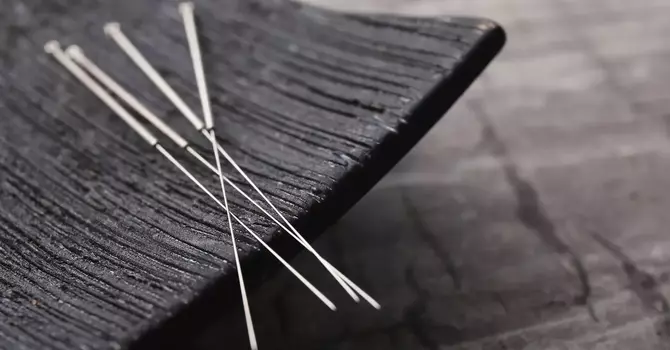
Dry needling is a modern physiotherapy technique that targets the neuromuscular side of the injury. We don't just look at the tendon; we look at the muscles that pull on it.
1. Releasing the "Calf Pump"
The Achilles tendon is directly impacted by the tension in your calf muscles (Gastrocnemius and Soleus). If these muscles are full of trigger points or "knots," they stay shortened, constantly pulling on the Achilles. Dry needling releases these knots, immediately reducing the tension on the tendon.
2. Increasing Local Circulation
Tendons naturally have a poor blood supply compared to muscles, which is why they heal slowly. The "twitch response" triggered by dry needling draws fresh blood, oxygen, and nutrients to the area, which are essential for repairing those microscopic tears.
3. Resetting the Pain Pathway
Dry needling stimulates the nervous system to release natural pain-relieving chemicals like endorphins and serotonin. This helps "reset" the pain signals your brain is receiving from your ankle.
What to Expect During Your Session
Your recovery at Dynamic Physiotherapy begins with a full assessment of your gait and lower body mechanics.
-
The Treatment: Your therapist will use sterile, single-use needles to target specific points in the calf and around the heel.
-
The Result: Most patients experience a significant decrease in "tightness" and improved ankle mobility within just 2 to 3 sessions.
-
Integration: We rarely use needling alone. It is most effective when paired with Physiotherapy and controlled loading exercise program (eccentric exercises) to strengthen the tendon for the long term.
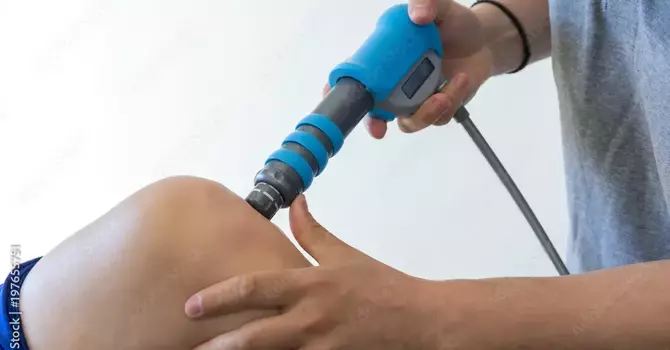
- Shockwave Therapy: For stubborn cases that haven't responded to needling and exercise alone, shockwave is our gold-standard option — stimulating blood flow and collagen repair deep in the tendon tissue.
Is Dry Needling Right for You?
Whether you are a seasoned runner or someone who stands all day for work, dry needling can be a game-changer for heel pain.
Get Back on Your Feet in Okotoks
Don't wait for a minor ache to become a major rupture. At Dynamic Physiotherapy, our goal is to help you return to the activities you love—pain-free and faster than the traditional "rest and wait" approach.
Book Your Achilles Assessment Today
Related Articles:

Steve Hansen
Contact Me