Whether you tweaked your knee on the ice at the Okotoks Rec Centre, strained your back on the back nine at D'Arcy Ranch, or rolled your ankle on the Sheep River pathways — sports injuries have a way of sidelining you at the worst possible time. The good news? Most sports injuries respond very well to physiotherapy, and getting the right care early can make a significant difference in how quickly and fully you recover.
At Dynamic Physiotherapy in Okotoks, our team works with athletes of all ages and levels — from competitive hockey players to weekend golfers to recreational runners. Here's what you need to know about sports injury rehabilitation and what to expect when you come see us.
What Are Sports Injuries?
Sports injuries are injuries that occur during physical activity — whether that's organized sport, recreational exercise, or a trail run along the Sheep River. They can affect muscles, tendons, ligaments, joints, and bones, and range from mild strains to more significant structural injuries.
The most common sports injuries we see include:
- Ankle sprains — the most frequently occurring sports injury across nearly every sport
- Knee injuries — ligament sprains (ACL, MCL), meniscus issues, and patellar tendinopathy
- Shoulder injuries — rotator cuff strains, AC joint sprains, and shoulder impingement
- Hip and groin strains — common in hockey, soccer, and running
- Tennis and golfer's elbow — repetitive strain injuries affecting the elbow tendons
- Hamstring and quad strains — frequent in sprinting and kicking sports
- Shin splints and stress fractures — often seen in runners and multi-sport athletes
- Concussions — head injuries requiring specialized assessment and management
Some injuries happen suddenly (acute injuries from a collision or fall), while others develop gradually over time from overuse and repetitive stress. Both benefit from physiotherapy care.
Common Sports Injuries We See in Okotoks
Okotoks is an active community. Between hockey at the Rec Centre, golf at D'Arcy Ranch and Crystal Ridge, soccer at the Okotoks Foothills fields, and running and cycling along the Sheep River pathways, there's no shortage of opportunity to stay active — and unfortunately, no shortage of opportunity to get hurt.
We see the full range of injuries that come with that active lifestyle: rotator cuff and shoulder issues from hockey, golfer's and tennis elbow from the course, ankle and knee injuries from soccer and trail running, and the cumulative wear that comes from doing what you love year-round.
Our team brings real sport experience to that work. Mikayla MacDonald serves as the team physiotherapist for the Foothills Lions Rugby Club — one of the most physically demanding sports around, with a full spectrum of contact injuries to match. Maureen Wutzke has worked with hockey teams at multiple levels of the game, from minor hockey through junior. And Mike Weigle played competitive soccer at the U Sports level with the University of Lethbridge Pronghorns — so when he's building your return-to-sport program, he understands what it actually takes to perform.
Whatever got you here — a hard check, a bad swing, a misstep on the trail — we'll help you figure out what's going on and get you back at it.
What Are Common Treatments for a Sports Injury?
Physiotherapy for sports injuries isn't one-size-fits-all. Your treatment plan will be based on a thorough assessment of your injury, your sport, your goals, and your timeline. That said, there are several evidence-based approaches our team draws on regularly:
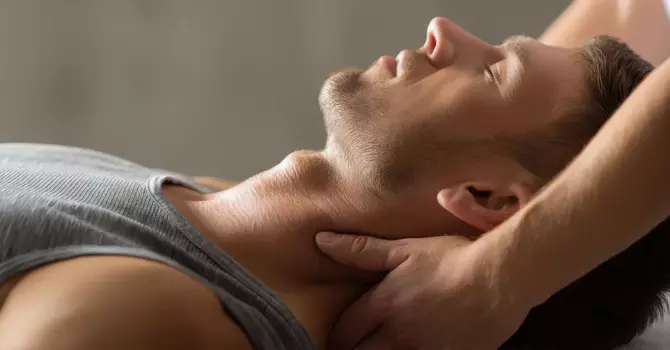
Physiotherapy in Okotoks Hands-on techniques to restore joint mobility, reduce pain, and improve tissue function. This might include soft tissue release, joint mobilization, or myofascial work.
Exercise Rehabilitation Structured, progressive exercise is the cornerstone of sports injury recovery. Your program will focus on restoring strength, stability, mobility, and sport-specific movement patterns — not just getting you out of pain, but making sure you're ready to return to activity safely.
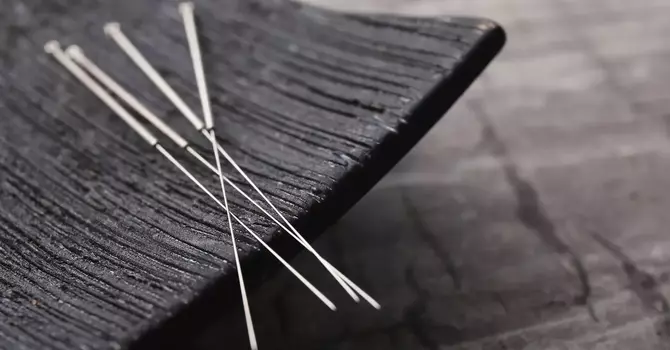
IMS / Dry Needling Intramuscular stimulation (IMS) targets deep muscle tension and trigger points that contribute to pain and movement restriction. It's particularly effective for stubborn muscle tightness and overuse injuries.
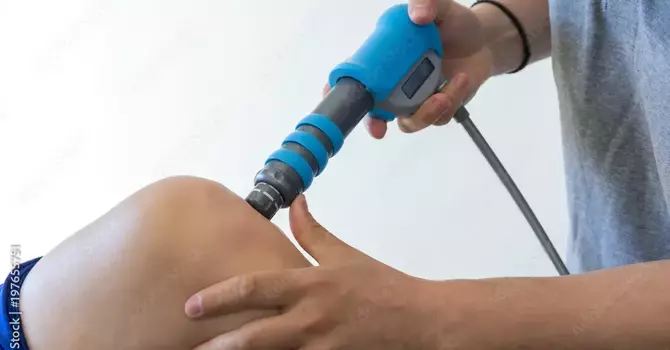
Shockwave Therapy For tendon injuries that haven't responded to other treatments — Achilles tendinopathy, patellar tendinopathy, tennis elbow, golfer's elbow — shockwave therapy is a highly effective option. Dynamic Physiotherapy was Alberta's first shockwave therapy provider, and we've been using it to help athletes recover from stubborn tendon injuries for years.
Taping and Bracing Guidance Supportive taping techniques (like kinesiology taping) can help manage symptoms and support return to sport during recovery.
Education and Load Management Understanding what's happening in your body — and how to train smartly around your injury — is a critical part of getting better and staying better.
Recommended Exercises for Knee Ligament Rehabilitation
Knee ligament injuries — particularly ACL and MCL sprains — are among the most common and impactful sports injuries. Rehabilitation focuses on gradually restoring strength, stability, and confidence in the knee before returning to sport.
A well-designed knee rehab program typically progresses through three phases:
Phase 1 — Control Swelling and Restore Range of Motion Early exercises focus on gentle movement, quad activation, and reducing post-injury swelling. Examples include heel slides, straight leg raises, and isometric quad sets.
Phase 2 — Build Strength and Stability As pain settles and movement improves, the focus shifts to rebuilding the muscles that support the knee — particularly the quads, hamstrings, glutes, and calves. Exercises like mini-squats, step-ups, Romanian deadlifts, and single-leg balance work are introduced progressively.
Phase 3 — Return to Sport The final phase prepares you for the demands of your sport — skating, running, cutting, jumping. Plyometric exercises, agility drills, and sport-specific movements are incorporated to ensure you're truly ready to get back on the ice or the pitch, not just pain-free.
Every knee injury is different, and what works for one person won't be right for another. Your physiotherapist will design a program specific to your injury grade, your sport, and your timeline.
What to Expect at Dynamic Physiotherapy in Okotoks
When you come in for a sports injury, your first appointment starts with a thorough assessment. We want to understand not just what hurts, but how you move, what your sport demands of you, and what your recovery goals look like.
From there, you'll get a clear explanation of what's going on and a treatment plan that makes sense. We work with patients who skate at the Okotoks Rec Centre, tee off at D'Arcy Ranch or Crystal Ridge, run the Sheep River trails, play rugby with the Foothills Lions, and compete in local soccer and hockey leagues. We know what your body needs to do to get back out there — and that's what we build your program around.
Our team has extensive experience with the full range of sports injuries, and we have direct access to shockwave therapy on-site — which means if your injury involves a tendon or stubborn soft tissue issue, you don't need a referral elsewhere.
Most extended health benefit plans cover physiotherapy, and we offer direct billing to take one more thing off your plate.
How to Book a Sports Physiotherapy Appointment in Okotoks
Booking is simple — you can book online anytime at dynamicok.janeapp.com, or give us a call. No referral is needed to see a physiotherapist in Alberta.
We're located at 161D – 31 Southridge Drive in Okotoks and have been proudly serving the community since 2004.
Frequently Asked Questions
How long does it take to recover from a sports injury? Recovery time varies widely depending on the type and severity of the injury. A mild ankle sprain might resolve in 2–4 weeks with proper care, while a significant ligament injury can take several months. Starting physiotherapy early generally leads to faster, more complete recovery.
Do I need a doctor's referral to see a physiotherapist? No — in Alberta, you can see a physiotherapist directly without a referral. You can book online today and come in as soon as we have availability.
Will my benefits cover sports injury physiotherapy? Most extended health benefit plans include physiotherapy coverage. We offer direct billing to many major insurers so you don't have to pay out of pocket and wait for reimbursement.
Can physiotherapy help if I've been injured for a long time? Yes. While early treatment is ideal, physiotherapy can still make a significant difference for injuries that have been lingering. Chronic sports injuries — especially tendon issues — often respond very well to hands-on care, exercise rehabilitation, and shockwave therapy.
Dealing with a sports injury in Okotoks? Our team at Dynamic Physiotherapy is here to help you recover and get back to the activities you love. Book online today.

Steve Hansen
Contact Me